


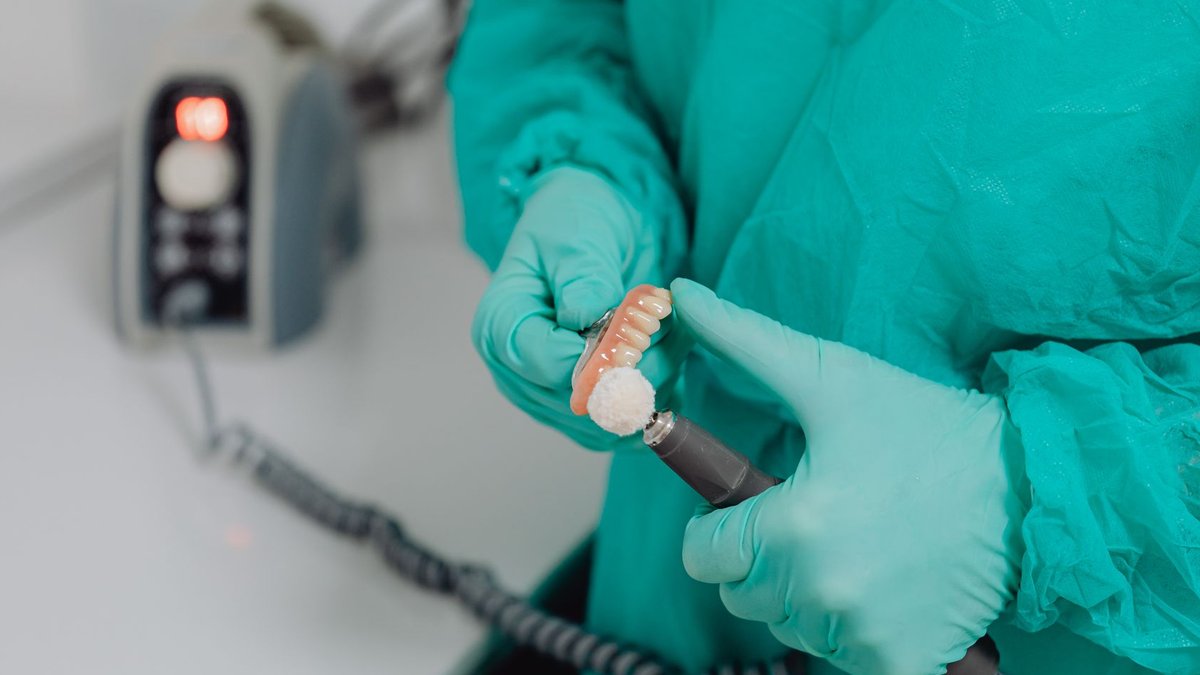
Dentures are delicate, custom-made devices that require precision to function safely and comfortably. When they break, the temptation to use a quick DIY fix, whether with store-bought glue, tape, or online repair kits, can seem like a practical solution. But dentists warn that homemade repairs often create more problems than they solve, leading to discomfort, health risks, and higher long-term costs.
Why Homemade Fixes Rarely Work
Dentures are designed to fit a patient’s mouth exactly, with every curve and angle calibrated for comfort and function. A misaligned repair, even by a fraction of a millimeter, can cause rubbing against gums, cheeks, or the jaw. Over time, this friction leads to sores, ulcers, or infections. Worse, the wrong glue or adhesive can weaken the denture material itself, making future repairs far more difficult, or even requiring a full replacement.
Many people assume a strong adhesive from a hardware store will hold dentures together. But these products contain harsh chemicals unsafe for ingestion or inhalation, even in small amounts. Some glues also fail in the mouth’s moist, temperature-fluctuating environment, breaking down within days. Others dissolve the denture’s acrylic, leaving it brittle and prone to further damage.
Health Risks of a Poor Fit
Dentures that don’t fit properly don’t just cause discomfort; they can alter the shape of the mouth over time. Misaligned bites force the jaw to compensate, leading to chronic pain, headaches, or difficulty eating. Sore spots from friction often worsen into infections, while chewing with an improper fit accelerates wear on natural teeth or gums.
Read Also: How seamless ERP systems boost B2B procurement efficiency
Patients who attempt repairs at home frequently end up paying more in the long run. What starts as a quick fix can escalate to hundreds in corrective work, especially if the denture’s structure is compromised. Dentists often must undo a botched repair before fixing the original issue, adding unnecessary time and expense.
What Dentists Do Differently
Professional denture repairs go beyond simply reattaching broken pieces. Technicians inspect for hidden cracks, realign the fit to match the patient’s mouth, and use medical-grade adhesives designed for oral use. Many clinics offer same-day repairs for broken teeth or cracked plates, ensuring patients aren’t left without their dentures for long.
The key advantage? A dentist’s repair maintains the original design, preventing the cascade of issues that come with an improper fix. They also check for underlying problems, like loose teeth or gum irritation, that might have contributed to the break in the first place.
For patients whose dentures are damaged, the advice is clear: stop wearing them immediately. Keep all broken pieces, they’re often reusable, and avoid gluing or taping anything together. Calling a dentist right away minimizes further harm and ensures a proper, long-lasting repair.


