


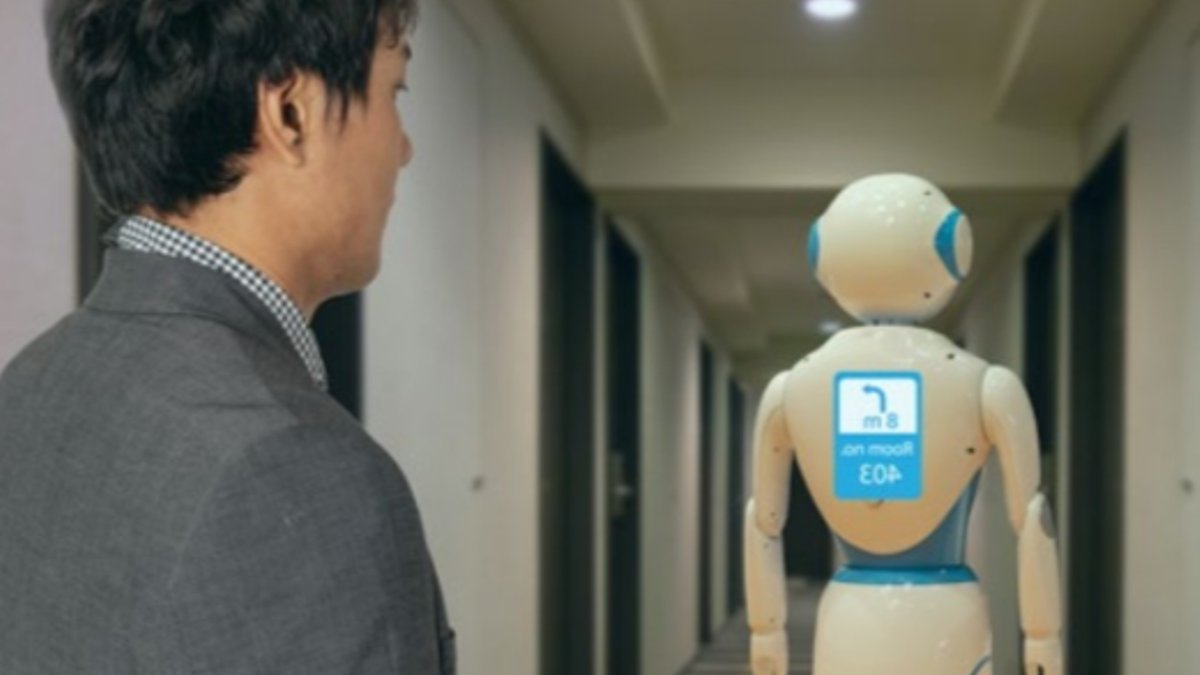
A recent study by the Macao University of Tourism and international partners explores how hospitality employees perceive service robots as colleagues. The research, involving restaurant workers in China and hotel staff in the UK, examines how a robot’s ethnic appearance and accent shape employees’ attitudes.
The findings reveal that robots whose design aligns with employees’ social and cultural expectations support more positive interactions. This suggests that robot design should consider not only technical functions but also social and cultural factors that influence workplace relationships.
Beyond Customer Acceptance: The Employee Perspective
Frontline workers are not just users of robotic systems but also partners who must collaborate with robots daily.
The study draws on similarity-attraction theory and congruity theory to understand why certain robot designs encourage more positive employee responses. It found that robots with appearances and accents familiar to employees were perceived more favorably.
In both China and the UK, employees preferred robots whose appearance reflected the ethnic characteristics of their workplace. This alignment led to higher expectations of enjoyable interactions and a perception of robots as valuable colleagues.
Read Also: Turkey sets climate AI targets for COP31 summit
The research further examined whether robots’ accents could affect employee perceptions. In the Chinese sample, the findings showed that a robot’s accent influenced employees’ expectations of interaction and helping behaviour. Robots using more familiar local accents were more likely to generate positive expectations of workplace interaction. However, the same effect was not observed among UK hotel employees. This difference suggests that cultural background, familiarity with service robots, and previous experiences with robotic technologies may influence how employees interpret and respond to robot communication.
Interestingly, the study also found that enjoyable interaction, rather than perceived helping behaviour, was the key factor influencing employees’ positive word-of-mouth about working with robots. This suggests that emotional and social experiences may play an important role in shaping employees’ attitudes towards service robots, beyond their practical functions.
Designing Robots for the Future of Hospitality
The findings provide important implications for hospitality organisations, technology developers, and managers seeking to implement service robots successfully. Rather than treating robots simply as operational tools, businesses should consider how these technologies can become meaningful contributors to service teams. For robot designers, the study suggests that robots’ appearance and accents should be carefully considered according to the cultural and operational environment where they will be used. Robots designed with sensitivity to the local cultural context may help employees feel more comfortable and confident when interacting with them.
Cultural Sensitivity in Robot Design
The study highlights that robots’ accents and appearance should align with the cultural context of their workplace. In China, employees favored robots with local accents, which supported positive expectations of interaction. However, UK employees did not show the same preference, suggesting cultural background and familiarity with robots influence responses.
Social Dimensions of Human-Robot Interaction
Workplace interactions with robots extend beyond technical functionality. The study highlights that factors like identity, familiarity, and cultural expectations shape how employees interpret robot behavior. Similar to human relationships, these social elements influence trust and comfort levels in shared task environments.


