


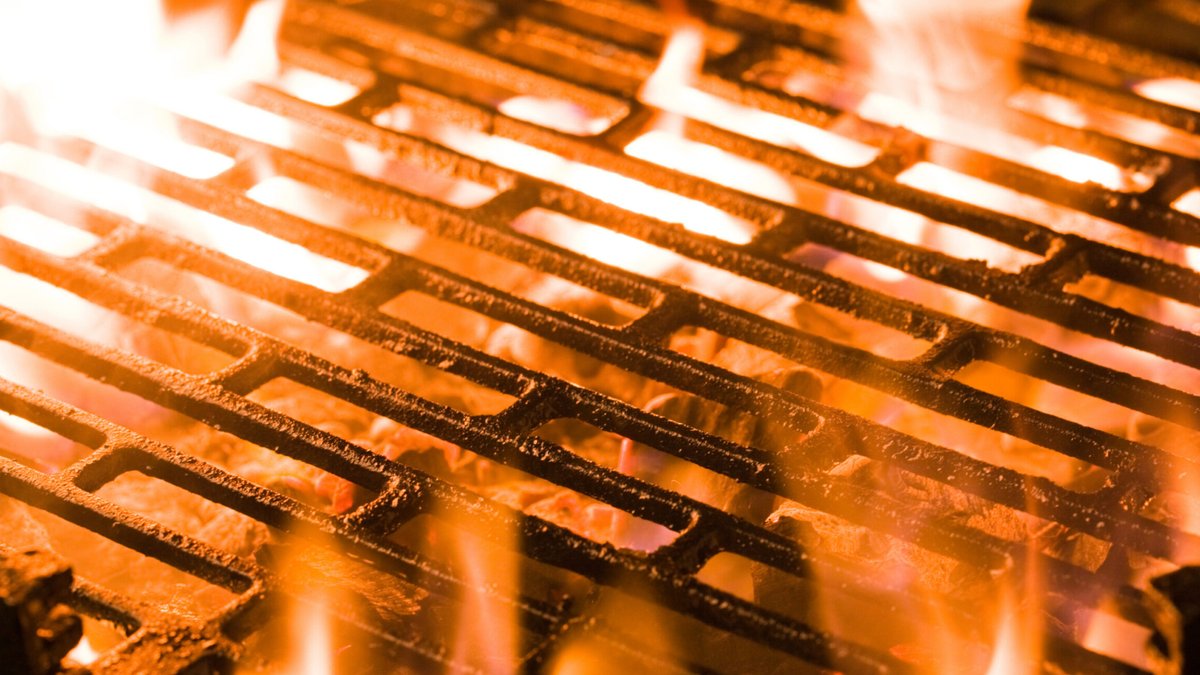
Commercial grills operate continuously during peak periods, and the grates endure the harshest conditions: relentless heat buildup, heavy loads, and constant scraping. Yet kitchen managers often prioritize burners or grill dimensions while overlooking the grates themselves—a choice that directly influences cooking efficiency, food quality, and equipment longevity.
Grates perform multiple functions beyond simply holding food. They manage heat distribution, ensure uniform sear marks, and support heavy cookware without bending. A thin or poorly constructed grate creates uneven heat zones, leading to inconsistent cooking. In high-volume kitchens where precision matters, such inconsistencies risk customer dissatisfaction and food waste.
Grates also face significant structural demands. They must support stockpots, cast-iron pans, and large meat cuts while enduring daily scraping and shifting. Weak grates warp, crack, or sag over time, creating safety risks and requiring costly replacements that disrupt service.
Read Also: Businesses Tackle Fleet Insurance Risks with Digital Tools
Material Choices Go Beyond Surface Appearance
Cast iron grates retain heat exceptionally well and deliver even sear marks, making them well-suited for steakhouses and barbecue-focused kitchens. However, they demand regular seasoning and drying to prevent rust—a maintenance step that busy kitchens frequently neglect.
Stainless steel grates resist corrosion better than cast iron and heat up more quickly, but they do not retain heat as effectively. This can create challenges in high-volume settings where consecutive orders require sustained heat levels. Stainless steel also performs better in humid or coastal kitchens, where rust is a persistent concern.
Porcelain-coated grates provide a non-stick surface that simplifies cleaning, but the coating wears away under heavy use, exposing the underlying metal to rust and uneven heating. In fast-paced kitchens where grates are scrubbed daily, these coatings degrade faster than staff expect.
The optimal material depends on the kitchen’s volume, menu type, and maintenance capabilities. A burger joint’s requirements differ from those of a steakhouse, just as a catering operation’s mobile grates need different qualities than stationary restaurant setups.
Read Also: Disaster Response Key in First 30 Minutes
Thickness Affects Both Durability and Performance
While material selection often draws attention, thickness plays an equally vital role. Thicker grates retain heat longer and distribute it more evenly, a critical factor for continuous grilling operations. Thin grates heat up quickly but lose heat rapidly when cold food is placed on them, forcing cooks to adjust flame settings or wait between orders.
Thicker grates also resist warping better. Repeated heating and cooling cycles stress metal, and thin grates bend over time. Once warped, food no longer sits flat, drippings pool unevenly, and flare-ups become harder to control. The cost difference is clear: thicker grates require a higher upfront investment but last longer, reducing replacement needs and improving consistency.
Matching Grates to Kitchen Operations
A high-turnover burger establishment prioritizes rapid, even cooking over flawless sear marks, whereas a steakhouse requires grates that deliver consistent, high-quality results. Catering businesses need lightweight yet durable grates capable of withstanding transport and frequent use.


