


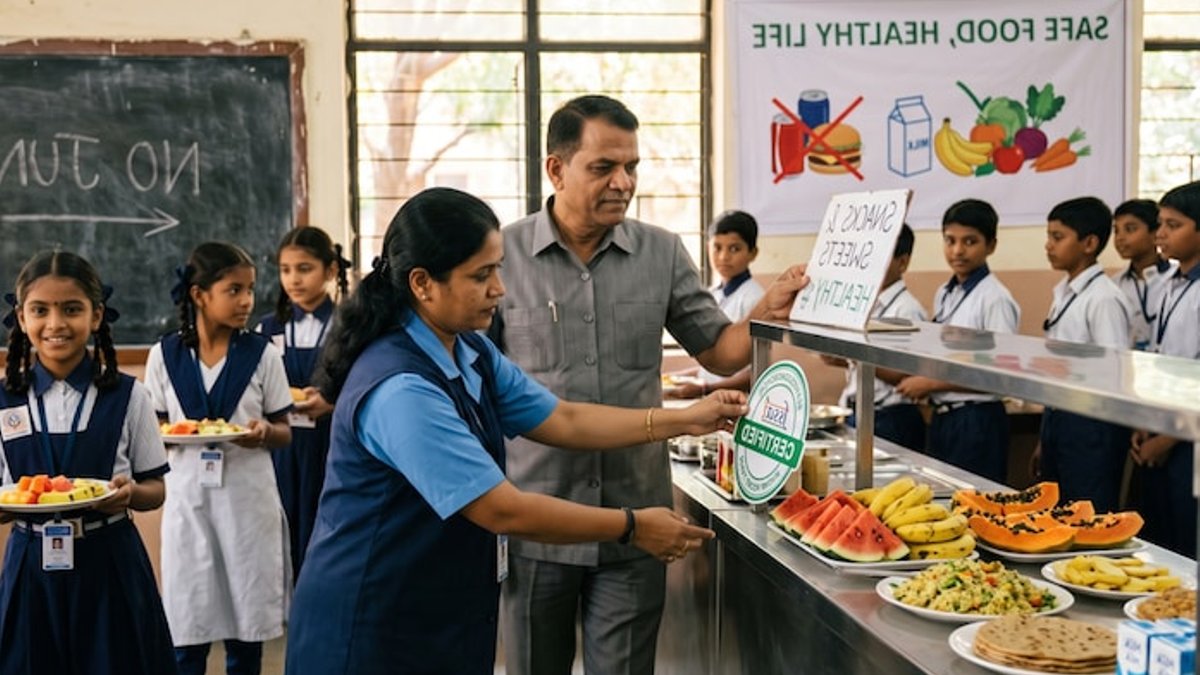
The Bombay High Court has refused to hear a petition challenging the state Food and Drug Administration’s ban on junk food sales within 50 metres of school premises. A licensed restaurant owner in Pune filed the plea, seeking to quash the order that prohibits the sale of junk food items in the proximity of schools. The court concluded the petition was not maintainable and dismissed it without further hearing.
This decision comes as the state agency aims to curb the availability of unhealthy snacks near educational institutions. By restricting the sale of junk food in close proximity to schools, the FDA hopes to promote healthier eating habits among students and reduce the risk of obesity and other diet-related health problems. The ban is part of a broader effort to improve food safety and dietary standards across Maharashtra, with a particular focus on protecting the health and wellbeing of children.
Legal Argument And Court Ruling
The petitioner argued that the blanket restriction placed an unfair burden on restaurant and food stall operators who are functioning legally in areas that fall within the notified distance from schools. The court found no immediate cause to intervene, as the FDA had not yet taken specific enforcement action against this particular petitioner. The directive restricting the sale of such items within a defined radius of school campuses remains intact for the time being. This means that restaurant and food stall operators who are currently selling junk food near schools will need to comply with the ban or risk facing enforcement action from the FDA.
While the ban is currently in place, legal experts suggest the door may not be entirely shut for operators facing genuine hardship. Any future challenge would likely need to be grounded in a specific instance of the order being enforced against them, rather than a broad objection to the policy itself. This means a restaurant owner must wait until they are actually penalized before they can effectively contest the rule in court. In the meantime, operators who are concerned about the impact of the ban on their business may need to explore alternative options, such as modifying their menus to offer healthier options or relocating to areas that are not subject to the restriction.
Related: Sunshine Pictures IPO launches today
Health Concerns And Regulatory Context
The agency issued the order to check growing concerns that the easy availability of junk food in the vicinity of schools is harming the health of children. The regulator has, in recent months, stepped up scrutiny of food safety and dietary standards across Maharashtra, including crackdowns on adulteration and unhygienic practices at food establishments in Mumbai and other parts of the state.
The state government continues to enforce strict rules on food vendors. Authorities maintain that the distance restriction is a necessary measure to ensure students have access to healthier alternatives.
The FDA’s efforts to promote healthier eating habits and restrict the sale of junk food near schools are part of a broader shift towards greater scrutiny of food safety and dietary standards. As consumers become increasingly aware of the importance of healthy eating, regulators are responding with stricter rules and greater enforcement.
The impact of the ban on restaurant and food stall operators will depend on various factors, including the specific location of their businesses and the types of products they sell. Operators who are currently selling junk food near schools may need to adapt to the new rules by modifying their menus or relocating to areas that are not subject to the restriction. In some cases, this may involve significant changes to their business models, including investments in new equipment or staff training. However, by promoting healthier eating habits and reducing the risk of diet-related health problems, the FDA’s ban is likely to have long-term benefits for public health and the broader community.


