


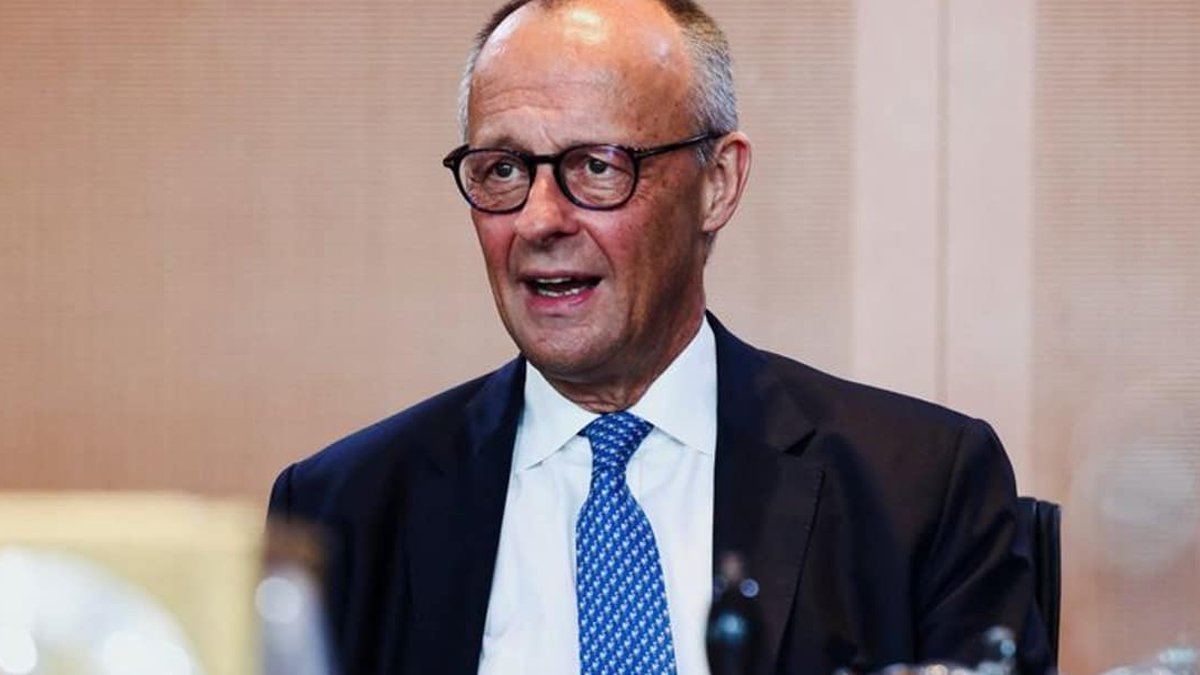
Chancellor Friedrich Merz intends to force his cabinet to accelerate economic reforms, stating that growth and employment are the top priorities. His approach reflects a growing recognition within the German government that prolonged deliberation over policy measures has hindered the country’s economic competitiveness. Merz’s insistence on swift action comes as Germany faces stagnating industrial output, declining foreign investment, and rising labor costs, all of which have contributed to a sense of economic malaise. The chancellor’s focus on execution rather than further debate suggests an attempt to break from the traditional German consensus-driven policymaking, which often prioritizes thorough discussion over rapid implementation.
The conservative leader will meet with ministers next week at a retreat in Neuhardenberg, Brandenburg. According to the Bild am Sonntag newspaper, Merz expects ministers to keep their focus on the ball and stop delaying implementation of decisions made before the summer break. The choice of Neuhardenberg, a historic estate with symbolic ties to post-reunification Germany, may serve as a deliberate backdrop for the retreat, reinforcing the message that the government must modernize its approach to governance. The location, once a center for political strategy discussions during the Cold War era, now hosts high-level government gatherings aimed at addressing contemporary challenges. By convening the retreat in late August, Merz is signaling that the cabinet cannot afford to wait until the autumn parliamentary session to begin acting on its commitments.
Speeding up agreed changes
Merz said the government must deliver “rapid and full relief for the economy.” He argued that the measures covering taxes, pensions, deregulation, and digitalisation agreed before the summer recess were historic decisions that need immediate action. The urgency stems from mounting pressure on the German economy, which has underperformed compared to other major European nations in recent years. Business confidence indices have shown a steady decline, while surveys of small and medium-sized enterprises (SMEs) indicate growing frustration with bureaucratic obstacles. Merz’s call for speed reflects an understanding that delayed reforms risk further eroding Germany’s attractiveness as a business location, particularly as other countries, such as France and Poland, have introduced more aggressive incentives to lure investors.
The report notes that the government is under pressure to show tangible results from these policies. By holding the retreat so late in the year, officials are signaling a desire to avoid a lengthy debate and move straight to execution. The timing is also significant because it precedes the budget negotiations for the following fiscal year, which typically begin in September. If the cabinet fails to demonstrate progress on the summer reforms, it could face criticism from both opposition parties and coalition partners, who have already expressed skepticism about the government’s ability to deliver on its promises. The retreat is expected to produce a concrete timeline for implementing the reforms, including specific deadlines for drafting legislation and securing parliamentary approval.
Targeting relief for businesses
Merz emphasized that the reforms are designed to ease the burden on tradespeople and small and medium-sized companies. He wants the cabinet to prioritize these groups while working through the legislative agenda. Germany’s SME sector, often referred to as the “Mittelstand,” forms the backbone of the country’s economy, accounting for a significant share of employment and exports. However, these businesses have been disproportionately affected by rising energy costs, skilled labor shortages, and complex regulatory requirements. The proposed reforms aim to address these challenges by simplifying administrative processes, reducing compliance costs, and creating a more predictable tax environment. For example, the streamlining of regulatory approvals could shorten the time required for businesses to obtain permits, allowing them to expand operations or adopt new technologies more quickly.
Reforms outlined in the summer package include a €10 billion annual tax relief package for lower- and middle-income households. The plan also introduces a capital-based element to pensions, gradually increases the retirement age, and streamlines regulatory approvals to cut bureaucratic red tape. The tax relief measures are intended to stimulate consumer spending, which has remained sluggish despite low unemployment rates. By reducing the tax burden on households, the government hopes to boost disposable income, thereby increasing demand for goods and services. The pension reforms, meanwhile, reflect demographic realities, as Germany’s aging population places strain on the pay-as-you-go pension system. The introduction of a capital-based element aims to diversify funding sources, reducing reliance on current workers’ contributions. The gradual increase in the retirement age is designed to align with longer life expectancies, ensuring the sustainability of the pension system over the long term.
While the official schedule lists the Neuhardenberg meeting for August 25–26, Merz’s comments suggest the urgency of the agenda extends beyond the two-day session. German economic policy has often struggled with a slow pace of legislative change, making the current push for speed a notable shift in the government’s approach. Historically, German policymaking has been characterized by extensive consultation with stakeholders, including trade unions, industry associations, and regional governments. While this approach has ensured broad consensus, it has also led to prolonged delays in implementing necessary reforms. The current administration’s willingness to bypass some of these traditional processes indicates a recognition that the country’s economic challenges require more decisive action. This shift mirrors broader trends seen globally, such as the Vatican’s plans for a €100 million renewable energy plant, which signals a decisive move away from slower, traditional methods toward immediate structural overhaul. The Vatican’s project, which aims to make its energy supply entirely renewable, demonstrates how even long-established institutions are adopting more agile approaches to address modern challenges. Similarly, Germany’s push for faster reforms suggests a growing impatience with incremental change in the face of pressing economic needs.


