


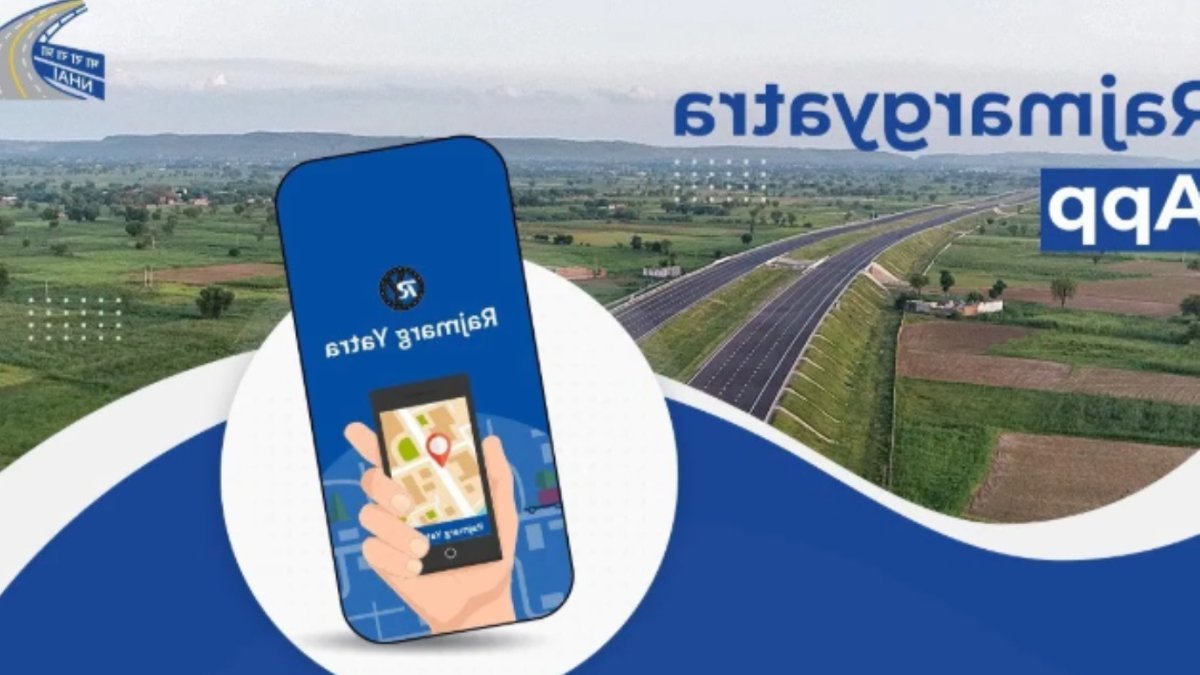
The National Highways Authority of India (NHAI) has introduced a digital system for purchasing local toll passes, enabling commuters to bypass long queues at toll plazas. This initiative is part of a broader effort to modernize India’s toll collection infrastructure. The passes, accessible via the RajmargYatra mobile app, allow unlimited travel through the respective toll plaza during the month, catering specifically to frequent travelers who regularly use the same route. The system is designed to address inefficiencies in the traditional pass issuance process, where commuters previously had to visit toll plazas in person to submit paperwork.
How the digital toll pass works
The digital toll pass system eliminates the need for in-person visits by allowing commuters to apply remotely through the RajmargYatra app, provided they are located within a 20-kilometer radius of the toll plaza at the time of application. This geographic restriction is enforced using GIS-based verification, a technology that cross-references the user’s registered address with the toll plaza’s service area. The system automatically retrieves verified details, such as vehicle registration and residential address, by integrating with government platforms like DigiLocker and VAHAN, which store digitized copies of official documents.
Once the payment is made, the pass is generated electronically and linked to the user’s vehicle registration number. The first implementation of this system took place at the Mundka-Bakkarwala Toll Plaza on Delhi’s Urban Extension Road-II. The NHAI has indicated that this is a pilot project, with plans to extend the digital pass system to other toll plazas across the country in the coming months.
The app also provides a digital record of all transactions, which can be accessed at any time for reference or in case of disputes. By removing the need for physical documentation, the system reduces the administrative burden on both commuters and toll plaza staff.
Who qualifies for the pass
Eligibility for the digital toll pass is determined through a combination of location-based verification and automated document checks. The app uses the user’s registered address, as stored in VAHAN or DigiLocker, to confirm whether they reside within the 20-kilometer radius of the toll plaza. This verification is conducted in real-time, ensuring that only eligible commuters can purchase the pass. The system is designed to be user-friendly, with clear prompts guiding applicants through each step of the process, from selecting the toll plaza to completing the payment. In cases where the address verification fails, the app provides instructions on how to update the information in the relevant government database before reattempting the application.
Related: Trump Tariffs Hit Global Stock Markets
The shift to a digital system is expected to enhance transparency in toll pass issuance. By automating the verification process, the NHAI reduces the potential for human error or manipulation, which has been a concern in the past with manual document submissions. The app also includes a feature called MargMitra Help Centre, an AI-powered assistant that provides real-time support for users encountering issues with the application process. This tool can answer questions about eligibility and pass activation. The MargMitra Help Centre is integrated directly into the RajmargYatra app, ensuring that users have access to support without leaving the application.
The introduction of the digital toll pass reflects a larger trend in India’s transportation sector toward digitization. Similar initiatives, such as the nationwide rollout of FASTag for electronic toll collection, have already demonstrated the benefits of reducing cash transactions and improving efficiency at toll plazas. The digital pass system builds on this progress by extending the convenience to local commuters who previously had to rely on physical passes. While the current system is limited to a 20-kilometer radius, it sets a precedent for future expansions. For now, the focus remains on refining the system based on feedback from the pilot phase at the Mundka-Bakkarwala Toll Plaza before scaling it up to other locations.
Despite its advantages, the digital toll pass system is not without limitations. The 20-kilometer restriction excludes commuters who live just outside the designated radius, forcing them to continue using the traditional in-person process. Additionally, the system’s reliance on digital payments and document verification assumes a certain level of comfort with technology among users. While smartphone penetration in India is high, not all commuters may be familiar with apps like DigiLocker or the RajmargYatra platform. The absence of an iOS version of the app also limits accessibility for iPhone users.
The NHAI has not yet disclosed whether the digital pass will eventually be expanded to cover longer distances or multiple toll plazas under a single subscription. For now, the system serves as a targeted solution for local commuters, offering an improvement to their daily travel experience. By removing one of the persistent friction points in their routine, the digital pass system aligns with the broader goal of making India’s transportation infrastructure more efficient.


