


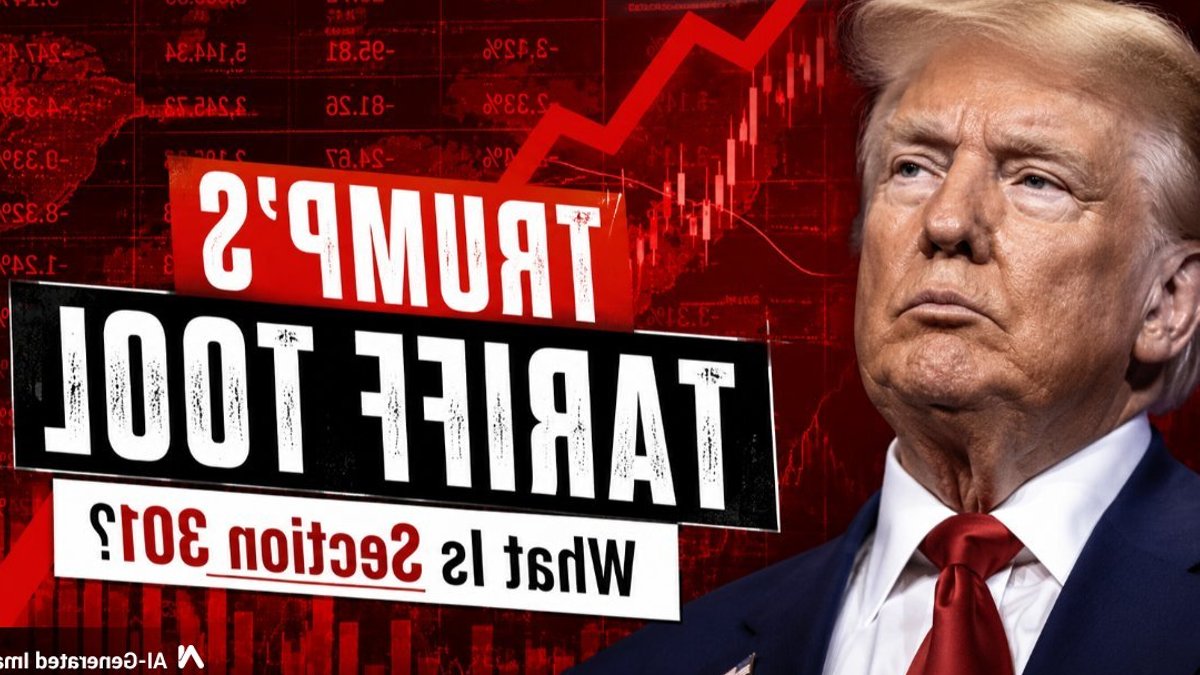
A new wave of tariffs from US President Donald Trump on more than 80 countries has dampened investor sentiment as global markets grapple with the impact of crude oil prices hovering around $100 per barrel.
India was included in the list, facing a 10% tariff due to concerns about forced labor in its supply chains. The new levy began Friday, replacing a previous 10% duty on all imports that was set to expire. Rates ranged from 10% to 12.5%, with India receiving the lowest rate.
Markets react, pharma stocks lead losses
By mid-afternoon Friday, India’s Nifty 50 and Sensex were down. Pharmaceutical stocks suffered the most: Dr. Reddy’s Laboratories fell nearly 1%, while Sun Pharma declined about 0.6%.
The decline matched trends in U.S. markets, where the Dow Jones Industrial Average and S&P 500 both closed lower. Tech companies Alphabet and Tesla led losses after weak quarterly earnings, while Nvidia, Meta, Amazon, and Oracle also ended the day in negative territory.
Related: Indian ADRs bridge Wall Street and Dalal Street
Why tariffs impact stock markets
There are broadly three reasons why tariffs affect markets.
Businesses around the world are all connected. With tariffs imposed on any country, operating costs increase, and it has a cascading effect on other countries on their imports and exports.
Inflation: The rise in prices of goods and services as businesses and corporations pass on the tax levied on them to the buyers, making a product more expensive, so there is a supply and demand gap, and with inflation rising, consumers take a direct hit.
Central bank policies: Most major central banks, including the Federal Reserve, have a policy mandate of inflation just below 2%, but with rising costs, the central banks are usually forced to decide on hiking interest rates. In India, the Reserve Bank of India has a target of 2-6%.
Investors usually track tariffs very closely. If businesses make less profit due to import taxes imposed on corporations, it impacts their balance sheet as well as income statement. Sentiments fall, and thus stock markets react.
Related: Step by step guide to scheduling LinkedIn messages effectively
Section 301: The legal tool behind the tariffs
The authority for these measures comes from Section 301 of the U.S. Trade Act of 1974. The law allows the Office of the U.S. Trade Representative (USTR) to investigate foreign trade practices it considers unfair or in violation of agreements. If talks fail, the U.S. can impose tariffs or other penalties.
The process usually starts with a complaint from U.S. businesses. The USTR then opens an investigation, negotiates with the foreign government, and—if no agreement is reached—imposes tariffs. The objective is to push trading partners to change policies that harm American companies.
This provision has been used before. In 2018, the Trump administration applied Section 301 to China, triggering a long trade dispute. Currently, the USTR is reviewing whether 16 countries—accounting for nearly 70% of U.S. imports—are dumping goods at artificially low prices, making competition difficult for domestic producers. The review continues, but its results could lead to more tariffs.
For businesses and investors, uncertainty creates the biggest challenge. Companies dependent on global supply chains must now factor in higher import taxes and tighter margins.


